
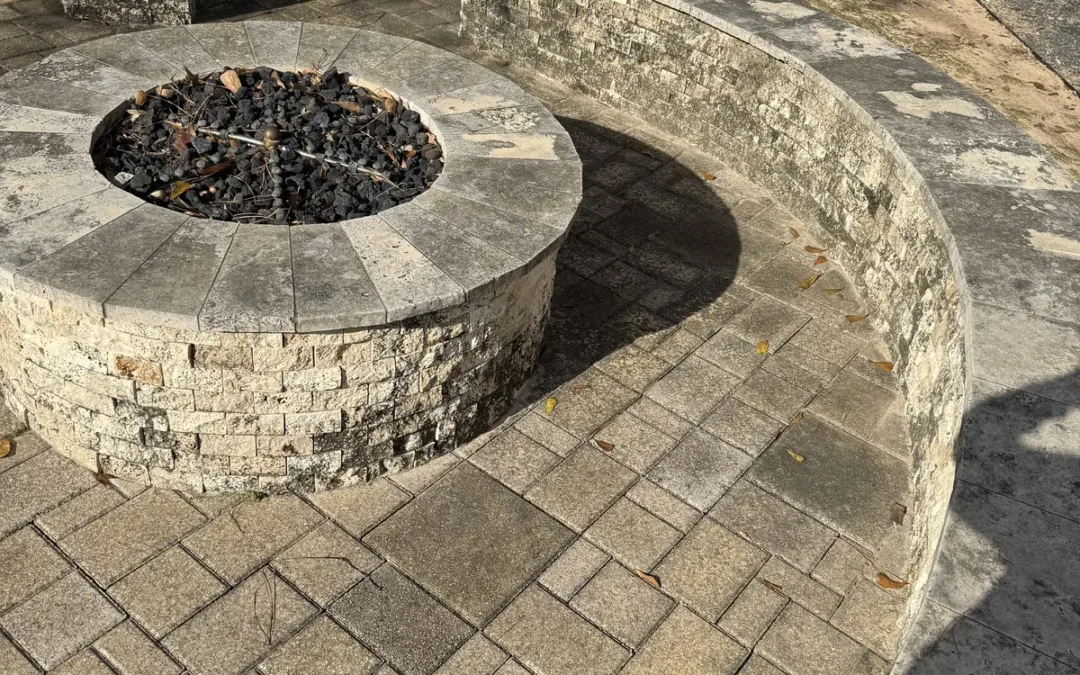
Luxury homes and commercial properties often feature expensive exterior materials that require specialized cleaning and maintenance. From natural stone and decorative stucco to concrete driveways and wooden decks, these surfaces are constantly exposed to dirt, moisture, algae, mold, and environmental pollutants. Without proper maintenance, accumulated contaminants can affect their appearance and contribute to premature deterioration. Professional pressure washing services help remove stubborn buildup while supporting the long-term condition of exterior surfaces. At The Woodlands Window Cleaning & Pressure Washing Co., proper exterior cleaning helps property owners maintain attractive, clean, and well-protected properties.
However, protecting expensive materials requires more than using powerful equipment. The correct pressure, cleaning solutions, and techniques must be selected according to the surface being cleaned. Understanding these factors can help homeowners make better decisions about maintaining their property’s exterior.
Why Is Exterior Surface Protection Important for Expensive Properties?
Exterior materials are a major part of a property’s appearance and value. Premium finishes, decorative features, and specialized building materials can be expensive to repair or replace.
Unfortunately, outdoor surfaces are exposed to several environmental conditions throughout the year.
Common Causes of Exterior Surface Damage
Different contaminants can affect exterior materials in different ways:
-
Dirt and dust can accumulate on walls, walkways, and outdoor surfaces.
-
Algae and mildew can develop in damp and shaded areas.
-
Mold can grow where moisture remains for extended periods.
-
Hard water deposits can leave visible mineral stains.
-
Pollen and organic debris can discolor exterior finishes.
-
Grease and oil can create stubborn stains on concrete.
-
Weather exposure can gradually affect protective coatings.
Regular cleaning helps control these contaminants before they become difficult to remove.
How Proper Cleaning Helps Preserve Exterior Materials
Cleaning removes unwanted buildup that can affect a surface’s appearance and condition.
However, using excessive pressure or unsuitable chemicals may cause damage.
A carefully selected cleaning method helps remove contaminants while minimizing unnecessary stress on delicate materials.
What Are Professional Pressure Washing Services?
Pressure washing uses specialized equipment to deliver water at controlled pressure to remove dirt, grime, and other contaminants from suitable surfaces.
The cleaning process can be adjusted according to the material, its condition, and the type of buildup.
How Pressure Washing Equipment Works
A professional pressure washer uses a pump to deliver water through a specialized nozzle.
The operator controls several factors, including:
-
Water pressure.
-
Water flow.
-
Nozzle selection.
-
Cleaning distance.
-
Spray direction.
-
Cleaning solution compatibility.
These adjustments help determine how effectively contaminants can be removed without damaging the underlying material.
Why Professional Cleaning Is Different From DIY Washing
Household pressure washers may not provide the same level of control, equipment options, or experience available through professional cleaning services.
Incorrect settings can damage paint, loosen mortar, strip protective finishes, and force water into vulnerable areas.
Professional technicians evaluate the surface before choosing the appropriate cleaning method.
7 Ways Proper Pressure Washing Helps Protect Expensive Exterior Surfaces
Exterior cleaning provides several benefits when performed using suitable equipment and techniques.
1. Prevents Excessive Dirt and Contaminant Buildup
Dust, soil, pollen, and organic debris gradually accumulate on exterior surfaces.
When this buildup remains for extended periods, it can affect the appearance of the property and make routine cleaning more difficult.
Professional cleaning removes accumulated contaminants from suitable surfaces.
Why Regular Cleaning Matters
Removing dirt periodically helps maintain the original appearance of exterior materials.
It also makes it easier to identify cracks, discoloration, damaged coatings, and other visible maintenance concerns.
2. Helps Control Algae, Mold, and Mildew
Moisture and limited sunlight create favorable conditions for algae and mildew growth.
These organisms commonly develop on shaded walls, walkways, concrete surfaces, and outdoor structures.
How Proper Cleaning Supports Surface Maintenance
Appropriate additional cleaning methods help remove organic buildup and improve the appearance of affected areas.
For certain surfaces, specialized cleaning solutions may be more suitable than high-pressure water.
Cleaning alone does not eliminate every underlying moisture problem, so proper drainage and ventilation remain important.
3. Protects Delicate Stucco Finishes
Stucco is widely used in residential and commercial construction because of its textured appearance and durability.
However, excessive water pressure can damage the finish, create surface marks, or force moisture into cracks.
Why Soft Washing Is Suitable for Stucco
Soft washing uses lower water pressure and appropriate cleaning solutions to remove dirt and organic contaminants.
This approach can be more suitable for delicate finishes than aggressive pressure washing.
Working with experienced stucco cleaning experts helps ensure that the cleaning method matches the condition and composition of the exterior surface.
4. Helps Preserve Natural Stone Surfaces
Natural stone adds an elegant appearance to luxury properties.
However, stone types differ in porosity, hardness, and sensitivity to chemicals.
Some materials can be damaged by excessive pressure or acidic cleaning products.
Choosing the Right Stone Cleaning Method
Stone surfaces should be evaluated before cleaning.
Professional cleaners consider:
-
Type of natural stone.
-
Surface porosity.
-
Existing sealants.
-
Staining and discoloration.
-
Mortar and joint conditions.
-
Suitable cleaning solutions.
Careful stone exterior cleaning helps remove unwanted buildup while reducing the risk of surface erosion or discoloration.
5. Reduces Slippery Organic Buildup on Outdoor Surfaces
Algae and mildew can make outdoor walkways and other hard surfaces slippery, especially when wet.
This can increase the risk of slips and falls around residential and commercial properties.
Why Cleaning Outdoor Walkways Matters
Appropriate cleaning helps remove organic buildup from suitable concrete, stone, and other hard surfaces.
Regular maintenance is particularly important around entrances, garden paths, swimming pools, and frequently used outdoor areas.
6. Helps Maintain Protective Coatings
Many exterior materials have protective coatings or sealants designed to reduce moisture absorption, staining, and surface deterioration.
However, aggressive cleaning can damage these protective layers.
Why Pressure Control Is Essential
Professional cleaners evaluate the surface and select a cleaning approach that considers existing coatings.
Using suitable pressure and compatible cleaning products helps reduce the risk of stripping protective finishes.
Homeowners should also follow the manufacturer’s recommendations when cleaning sealed or coated materials.
7. Supports Long-Term Property Maintenance
Regular exterior cleaning makes it easier to monitor the condition of different building materials.
Visible cracks, damaged sealants, loose finishes, and other concerns may become easier to identify once dirt and organic buildup are removed.
Although cleaning does not replace structural inspections or repairs, it supports a more organized property maintenance routine.
Understanding Safe Pressure Washing Methods for Different Materials
Not every exterior surface can withstand the same cleaning pressure.
Selecting the correct method is essential for protecting expensive materials.
Soft Washing for Luxury Homes
Soft washing uses low-pressure water combined with suitable cleaning solutions to remove dirt and organic contaminants.
It is commonly considered for surfaces that may be damaged by aggressive water pressure.
Suitable applications may include:
-
Delicate exterior siding.
-
Stucco finishes.
-
Certain painted surfaces.
-
Selected roofing materials.
-
Exterior surfaces with organic growth.
The cleaning solution must be compatible with the material and surrounding landscaping.
Controlled Pressure Washing for Concrete
Concrete is generally more durable than delicate exterior finishes.
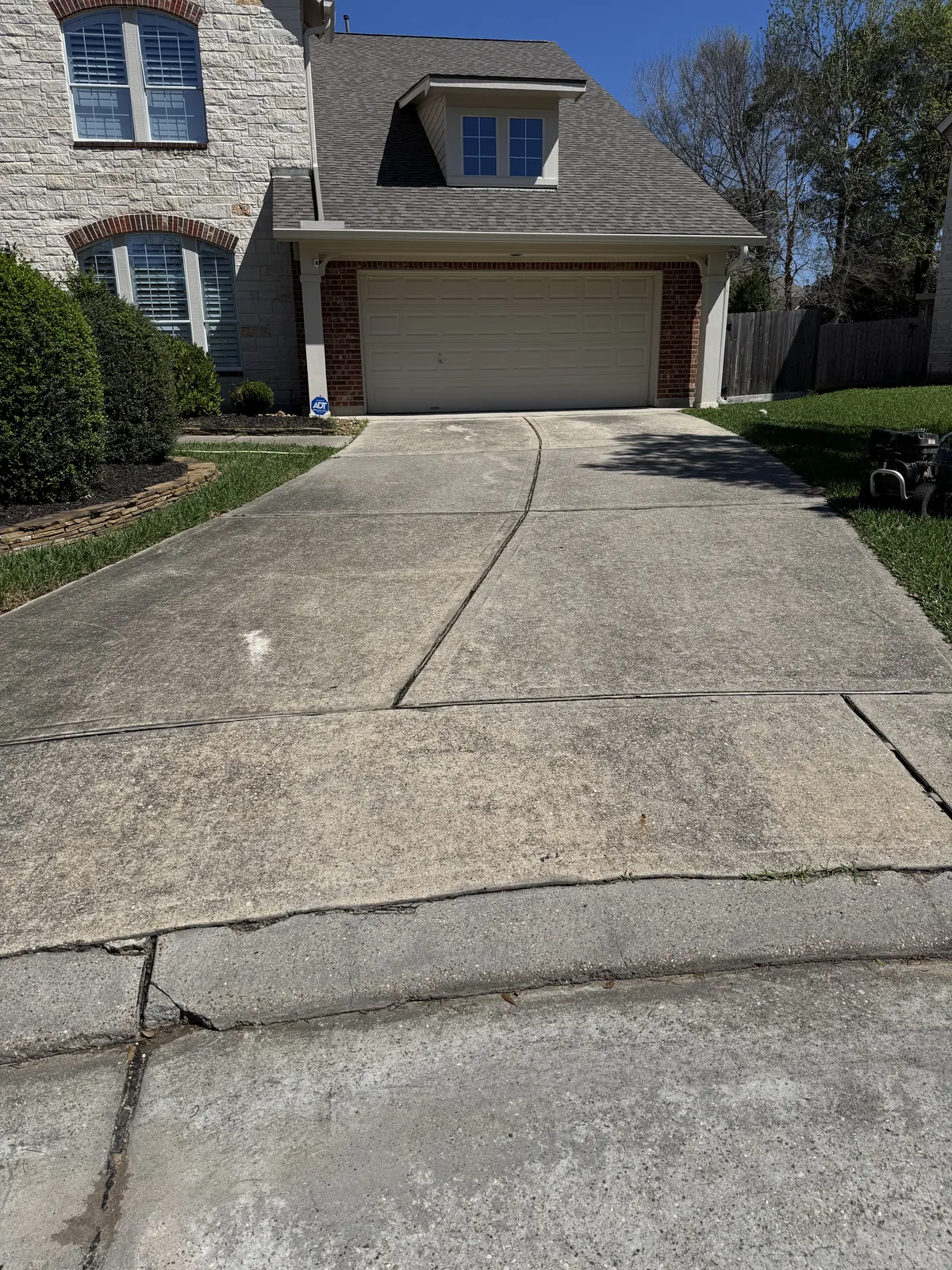
However, excessive pressure can still damage older concrete, decorative coatings, and exposed aggregate.
Professional operators adjust the equipment according to the surface condition and cleaning requirements.
Specialized Cleaning for Natural Stone
Natural stone requires careful evaluation because different varieties respond differently to water pressure and cleaning chemicals.
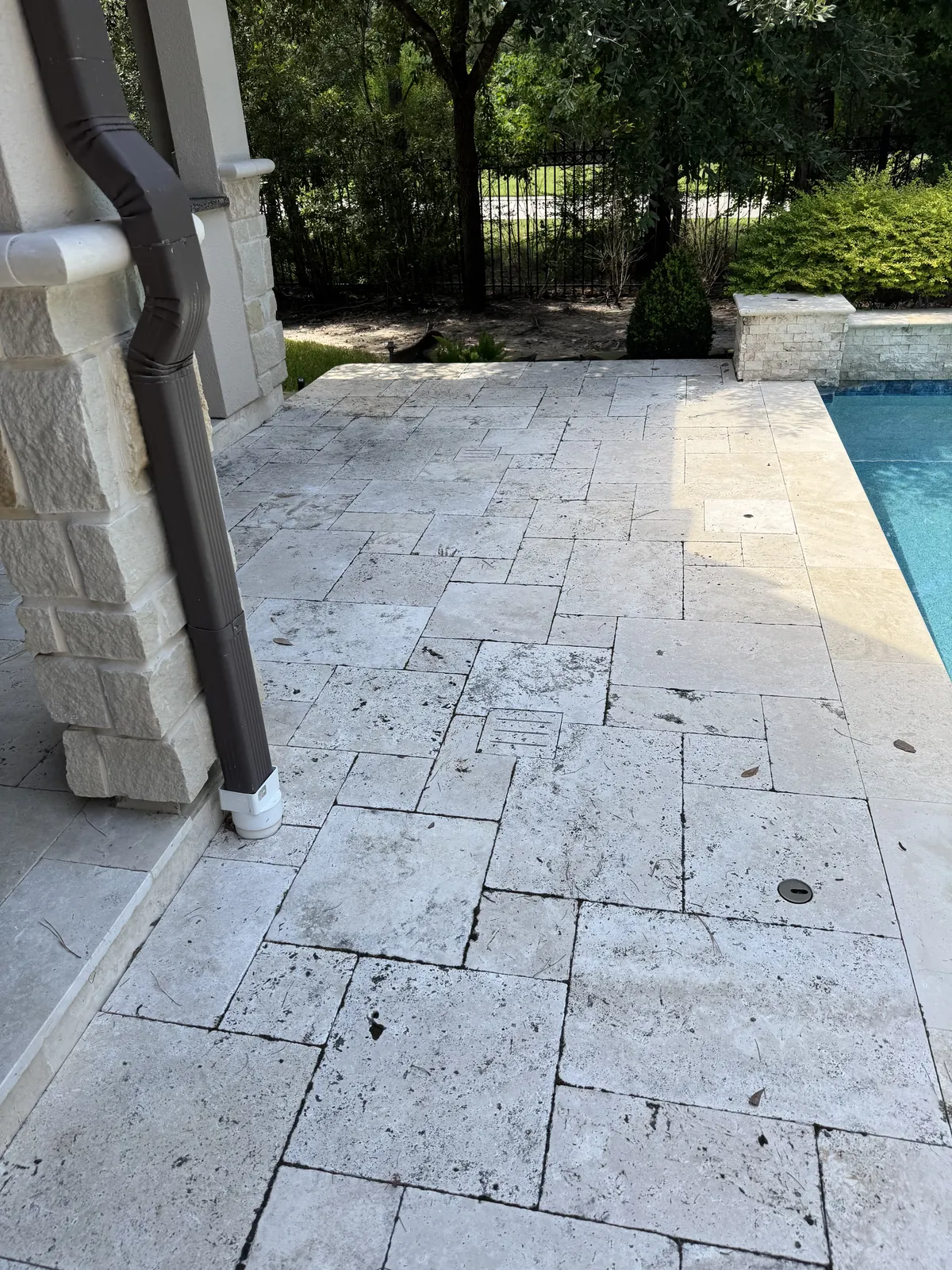
A method suitable for one stone type may not be appropriate for another.
Testing an inconspicuous area before full cleaning can help reduce the risk of unwanted results.
Low-Pressure Cleaning for Wood
Wooden surfaces can be damaged by excessive pressure, which may raise the grain, create splintering, or remove protective finishes.
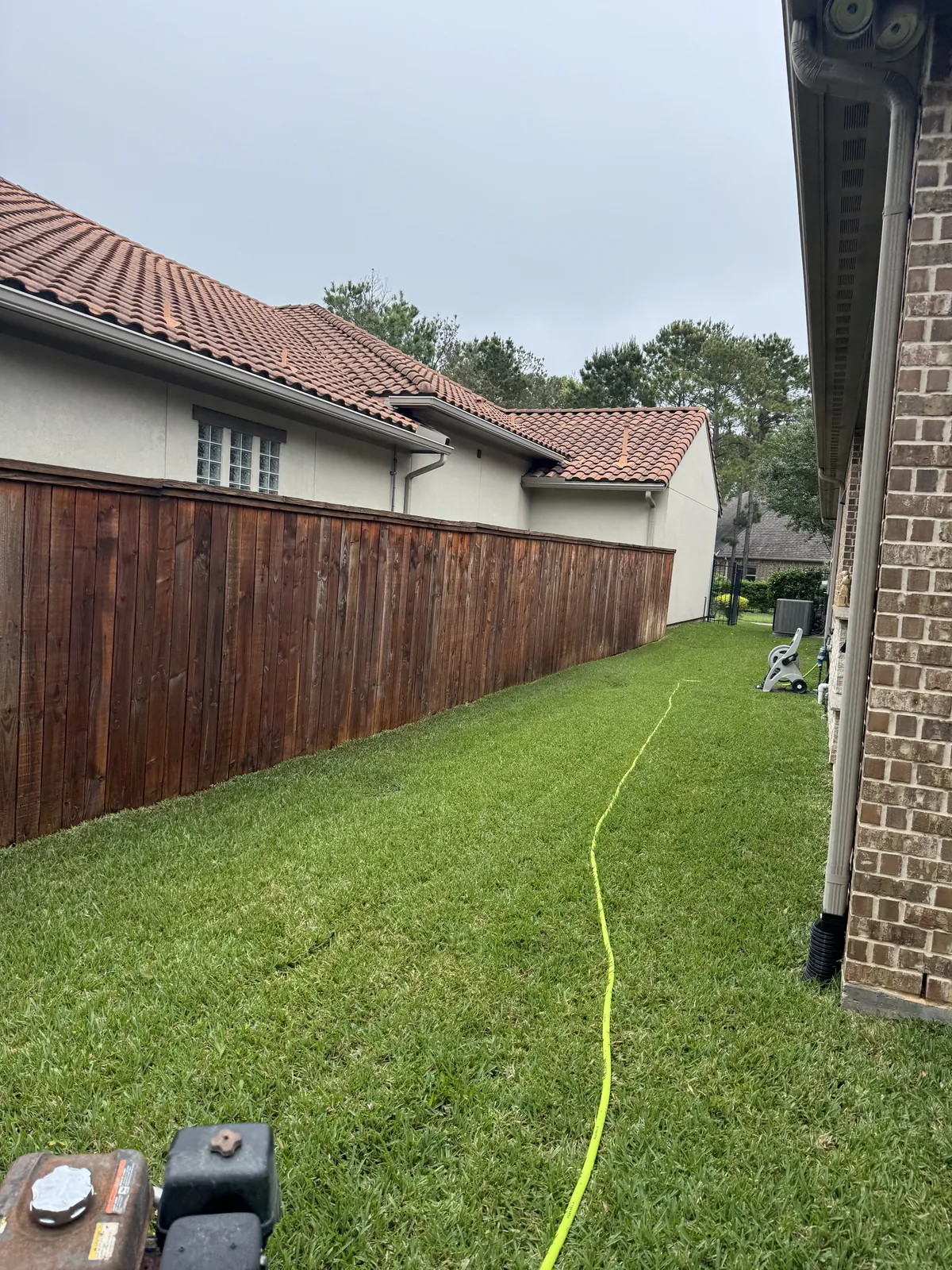
Gentle cleaning methods and appropriate products are important for maintaining wooden exterior features.
Which Exterior Surfaces Benefit From Professional Cleaning?
Different parts of a property require different cleaning approaches.
A comprehensive maintenance plan should account for the material, location, exposure, and existing condition of each surface.
Exterior Walls and Siding
House washing helps remove dirt, mildew, and environmental buildup from suitable exterior walls.
The correct method depends on whether the property features vinyl, stucco, painted wood, brick, or another material.
Roofs and Roofing Materials
Organic growth and accumulated debris can affect the appearance of roofing materials.
Appropriate roof washing methods should be selected according to the roofing manufacturer’s recommendations.
High-pressure washing is unsuitable for many roofing systems because it can damage shingles, coatings, and protective layers.
Windows and Glass Surfaces
Glass surfaces can accumulate dust, pollen, mineral deposits, and environmental residue.
Professional window cleaning uses suitable tools and cleaning products to remove buildup without scratching or damaging the glass.
Pressure washing should not be directed at windows, seals, or vulnerable glazing components.
Driveways and Concrete Entrances
Concrete driveways experience regular exposure to vehicles, oil, tire marks, dirt, and weather conditions.
Driveway pressure washing can help remove suitable surface contaminants and restore a cleaner appearance.
Patios and Outdoor Entertainment Areas
Outdoor patios are frequently exposed to food spills, dirt, leaves, and moisture.
Patio pressure washing for outdoor entertainment space can help refresh suitable hard surfaces and maintain a cleaner environment for gatherings.
Wooden Decks and Outdoor Structures
Wooden decks require specialized care because excessive pressure can damage their fibers and protective finishes.
Wood deck washing should be performed using methods appropriate for the wood species, surface condition, and existing treatment.
Swimming Pool Surroundings
Poolside surfaces can accumulate sunscreen residue, dirt, algae, and other contaminants.
Pool deck washing helps maintain a cleaner recreational environment when the appropriate cleaning method is used.
How Often Should Expensive Exterior Surfaces Be Cleaned?
Cleaning frequency depends on the property’s location, weather exposure, surface materials, and surrounding environment.
Some properties require more frequent attention because of nearby trees, heavy traffic, humidity, or construction activity.
Seasonal Exterior Cleaning
Seasonal cleaning can help address changes in environmental conditions.
For example, spring cleaning may remove pollen and accumulated winter debris, while fall maintenance can address leaves and organic buildup.
Annual Exterior Maintenance
Many homeowners benefit from an annual exterior assessment to identify areas that require cleaning or additional attention.
However, heavily exposed surfaces may require cleaning more frequently.
Cleaning Based on Surface Conditions
Rather than following the same schedule for every material, homeowners should consider visible buildup and manufacturer recommendations.
A professional assessment can help establish an appropriate cleaning schedule.
Common Pressure Washing Mistakes That Can Damage Expensive Surfaces
Using the wrong equipment or cleaning method can create problems that are more expensive than the original dirt buildup.
Understanding common mistakes helps property owners make safer maintenance decisions.
Using Excessive Water Pressure
High pressure can damage stucco, wood, painted finishes, and certain types of stone.
Always match pressure settings to the material.
Using Incorrect Cleaning Chemicals
Some cleaning solutions can discolor surfaces, damage sealants, or affect nearby plants.
Products should be selected according to the material and manufacturer’s guidance.
Ignoring Existing Surface Damage
Cracks, loose mortar, deteriorating sealants, and damaged coatings should be evaluated before cleaning.
Water can enter vulnerable areas and worsen existing problems.
Cleaning Without Proper Equipment
Using unsuitable nozzles, incorrect spray angles, or inadequate access equipment can lead to inconsistent results and accidental damage.
Neglecting Surrounding Areas
Windows, electrical components, outdoor lighting, landscaping, and delicate decorative features may require protection during cleaning.
A professional assessment helps identify these areas before work begins.
How to Choose the Right Exterior Cleaning Company
Choosing an experienced cleaning provider is important when maintaining expensive residential or commercial properties.
The right company should understand how different exterior materials respond to water pressure and cleaning products.
1. Check Experience With Different Materials
Look for a provider familiar with stucco, natural stone, concrete, wood, painted surfaces, and other exterior materials.
2. Ask About Cleaning Techniques
A professional company should explain when it uses pressure washing, low-pressure washing, or specialized cleaning solutions.
3. Confirm Safety Procedures
Ask about equipment handling, property protection, worker safety, and procedures for cleaning elevated surfaces.
4. Review Service Options
Some providers offer additional exterior maintenance services that can help homeowners maintain several areas of their property through one coordinated schedule.
5. Request a Property Assessment
A professional assessment helps determine the correct cleaning method, expected results, and any areas requiring additional care.
Practical Exterior Cleaning Tips for Property Owners
Regular attention between professional cleaning appointments can help maintain exterior surfaces.
Here are some helpful exterior cleaning tips:
-
Remove leaves and debris from outdoor areas regularly.
-
Keep gutters and drainage outlets clear.
-
Trim vegetation away from exterior walls.
-
Avoid using harsh chemicals on delicate finishes.
-
Address visible organic growth before it spreads.
-
Check wooden surfaces for peeling protective coatings.
-
Follow manufacturer instructions for sealed stone and concrete.
-
Avoid directing high-pressure water toward window seals and electrical fixtures.
These simple habits can support the appearance and condition of expensive exterior materials.
Conclusion: Protect Your Property With Professional Exterior Cleaning
Expensive exterior surfaces require more than occasional cleaning. They need appropriate maintenance methods that remove dirt, organic growth, and environmental contaminants without damaging delicate finishes. From natural stone and stucco to concrete, wood, and glass, choosing the correct cleaning approach helps preserve appearance, reduce unnecessary wear, and support long-term property maintenance. Regular professional care can also make it easier to identify visible maintenance concerns before they become more serious.
If you want to maintain your home’s exterior while protecting its valuable materials, professional assistance can make a significant difference. Contact us The Woodlands Window Cleaning & Pressure Washing Co. today to discuss your property’s cleaning requirements, schedule an exterior assessment, and discover the right cleaning solutions for your surfaces.
Frequently Asked Questions (FAQs)
1. Can pressure washing damage expensive exterior surfaces?
Yes. Excessive pressure, incorrect nozzles, or unsuitable cleaning products can damage stucco, wood, natural stone, paint, and protective coatings. Choosing the correct cleaning method helps reduce these risks.
2. Is soft washing better than pressure washing for luxury homes?
Soft washing is often more suitable for delicate surfaces because it uses lower water pressure and compatible cleaning solutions. More durable materials may tolerate controlled pressure washing.
3. How often should exterior surfaces be professionally cleaned?
Most properties benefit from regular exterior maintenance, but the ideal frequency depends on environmental exposure, material type, and visible contaminant buildup.
4. Can pressure washing remove algae and mildew from exterior surfaces?
Yes. Appropriate cleaning methods and compatible solutions can remove algae and mildew from many exterior surfaces. Addressing the moisture conditions that encourage their growth is also important.
5. Why should I hire professionals instead of pressure washing my property myself?
Professionals understand how to adjust pressure, select cleaning solutions, protect surrounding features, and use appropriate equipment. This helps reduce the risk of costly surface damage.
Recent Comments